Business / Rider training

Most of your staff
have never ridden one.

A fleet is only useful if people will get on it. Training covers handling, load, weather and the rules — so week two isn't a safety problem and the bikes don't end up parked.

Two hoursAn hour in a room and an hour on the bike, before anyone rides.

What's covered

  1. HandlingBalance, braking, cornering and low-speed control on a heavier machine
  2. Riding loadedHow a full top box changes braking distance and steering
  3. Traffic and road positionJunctions, filtering, being seen, and where to be in a lane
  4. WeatherWet braking, visibility, and when a round should be reassigned
  5. The legal positionEAPC rules, and what keeps a bike inside them
  6. Daily checksTyres, brakes, lights, charge — the two-minute pre-ride routine

How it's delivered

On siteRolling out to a whole depot at once
Where
Your depot or car park
Group size
Up to 20
Duration
2 hours
Included with lease
Yes, 10 bikes+
Refresher sessions
By arrangement
At NuneatonSmall teams, or before a trial
Where
Our workshop
Group size
Up to 10
Duration
2 hours
Included with lease
Yes
Refresher sessions
By arrangement

Duty of care
doesn't stop at the door.

If staff ride as part of their job, the employer carries responsibility for whether they were equipped to do it safely. Documented training is the evidence that they were.

We provide a record of who was trained and on what — useful for insurers, and necessary if anything ever goes wrong.
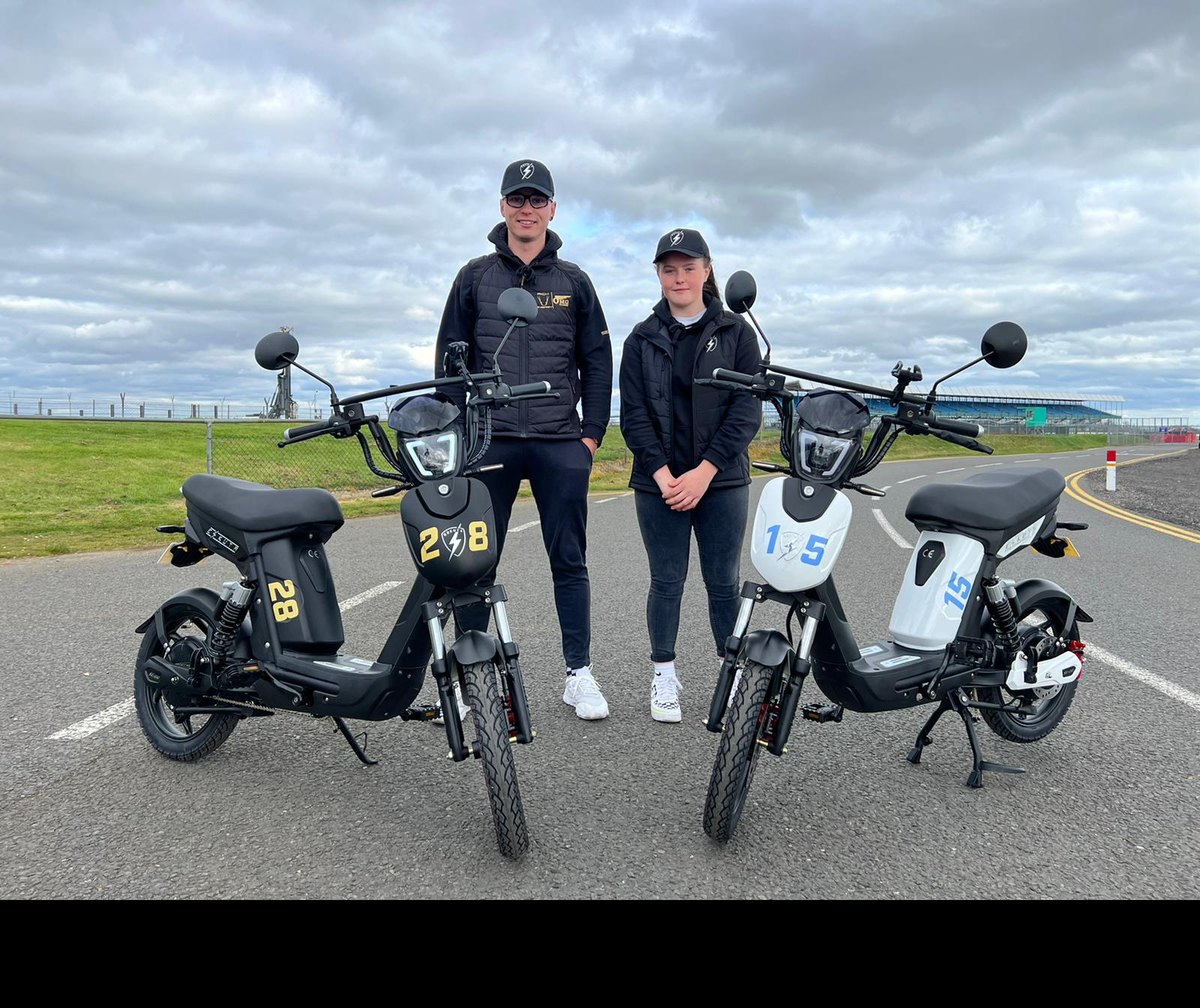
Training photography — riders on site
Rolling out to a team? Tell us how many riders and where they're based, and we'll work out the format.
Book a discovery call

Two hours, before anyone rides

An hour in a room and an hour on the bike. Most of what goes wrong with a fleet is avoidable, and most of it is decided in the first week.

Hour 1Classroom
  • ResponsibilitiesWhat the rider is accountable for, and what the company is
  • Daily checksThe pre-use safety check, and what stops a shift
  • Cleaning & careBasic care, and the neglect that turns into a chargeable repair
  • BatteryCharging best practice and keeping a pack healthy over its life
  • SecurityLocking, storage and theft prevention
  • IncidentsInsurance requirements and how to report
  • Chargeable damageWhat gets billed back, and why — before it happens, not after
  • EscalationWho to call, and what happens next
Hour 2Practical
  • HandlingSafe operation of a machine heavier than a bicycle
  • ControlsCorrect use, and the legal restrictions that come with an EAPC
  • Battery handlingRemoval, charging and storage, done once with someone watching
  • Maintenance checksThe checks a rider can do, on the bike they will ride
  • On the roadReal-world riding guidance rather than a car park
  • Avoiding damageThe handful of things that cause most of the repairs

And a record that it happened

Each rider signs to confirm what they have been taken through. It matters twice: it is the duty-of-care record, and it is what makes a conversation about chargeable damage a fair one rather than an argument.

  • Induction completedDated, per rider
  • Cleaning & maintenanceUnderstood and accepted
  • Battery careCharging and storage requirements
  • Security & insuranceObligations acknowledged
  • ReportingEscalation route understood
  • ResponsibilitiesAccepted in writing
Rider signature Print name Date